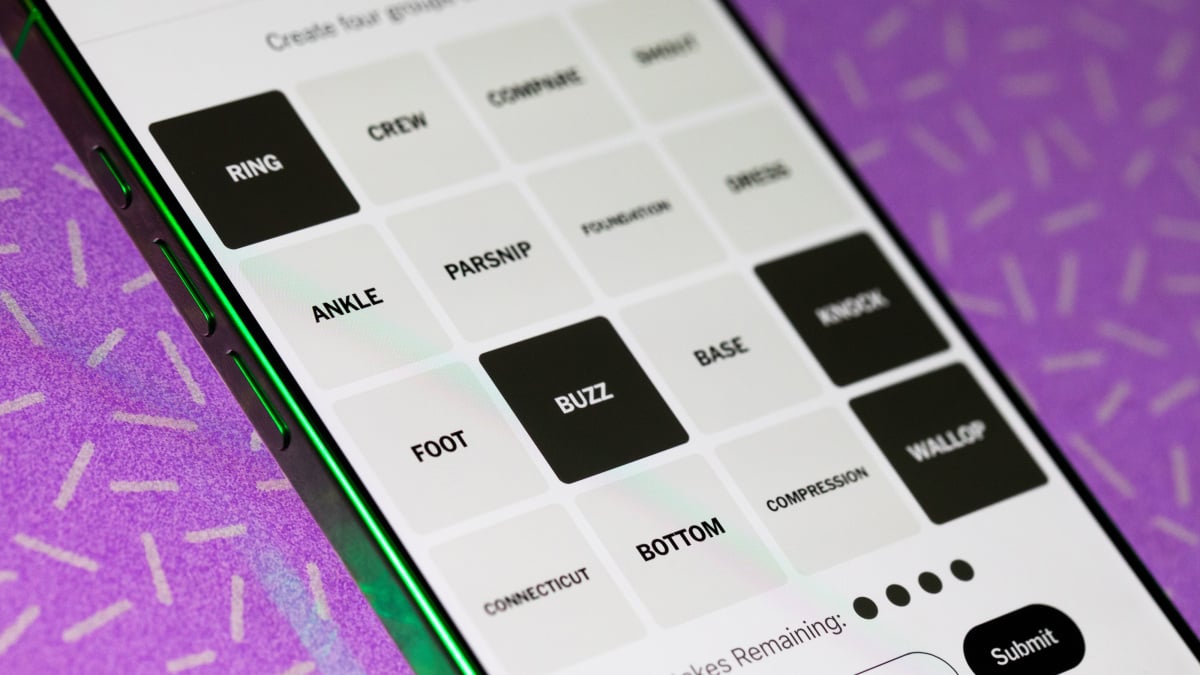
Unraveling the Mystery of Brain Stew & Broccoli Rabe in NYT Connections #1016
The world of word puzzles often serves up delightful challenges, but few are as ingeniously crafted as the New York Times Connections. Among its most memorable and mind-bending categories was one from March 23, 2026, puzzle #1016, where two seemingly unrelated phrases –
Brain Stew and
Broccoli Rabe – stumped countless solvers. Far from being a culinary theme, these words, alongside "Jungle Gym" and "Open Mic," revealed a sophisticated linguistic trap:
Ending In Nickname Homophones. This article delves into the brilliant misdirection, the phonetic genius, and the strategies needed to crack such a unique puzzle, focusing on the fascinating connection between
Brain Stew Broccoli Rabe and common male names.
The Culinary Red Herring: Why "Brain Stew" Fooled Even the Sharpest Minds
One of the hallmarks of a truly excellent NYT Connections puzzle is its ability to create compelling, yet ultimately incorrect, pathways. Puzzle #1016 excelled in this, particularly with "Brain Stew." The immediate and most obvious association for many solvers would have been food-related. "Stew" is, after all, a common dish, and "broccoli rabe" is a vegetable. This culinary suggestion could easily send solvers down a rabbit hole, trying to connect "Brain Stew" with other food items or perhaps even obscure ingredients, completely missing the puzzle's true phonetic intent.
The cleverness lies in exploiting our natural tendency to seek literal meanings first. "Brain Stew" is not a common culinary term, which adds to its perplexing nature if you're stuck on the food angle. It sounds a bit gruesome, perhaps a metaphor for deep thought or confusion, but its actual function within this Connections grid was far more abstract and auditory. It served as the perfect red herring, designed to make solvers scratch their heads and, perhaps, even laugh once the actual solution was revealed. For a deeper dive into this specific misdirection, consider reading
Why Brain Stew Tricked Solvers in NYT Connections #1016.
Unmasking the "Ending In Nickname Homophones" Category
The true genius of NYT Connections #1016 lay in its "purple category," typically the most challenging grouping, which demanded not just lateral thinking, but acute phonetic awareness. The theme was "Ending In Nickname Homophones," a brilliant concept where the final sounds of multi-word phrases perfectly mimicked common male nicknames. Let's break down how
Brain Stew Broccoli Rabe, along with its companions, fit this intricate pattern:
- Brain Stew: The word "Stew" at the end of this phrase is pronounced exactly like the common nickname Stu. This was the key to unlocking its non-culinary secret.
- Broccoli Rabe: This vegetable, often found in Italian cuisine, has an ending that might not immediately jump out as a nickname. However, "Rabe" is pronounced very distinctly, almost identically to the popular male nickname Rob. This pronunciation detail was crucial and likely a sticking point for many.
- Jungle Gym: A familiar playground fixture, the "Gym" in "Jungle Gym" phonetically aligns with the nickname Jim. This connection might have been slightly more intuitive for some solvers due to the commonality of the word "gym."
- Open Mic: This phrase, referring to a performance opportunity, ends with "Mic," which is a clear homophone for the nickname Mike (or Mike).
What makes this category so difficult is the requirement to disregard the literal meaning of the words and instead focus solely on their phonetic endings. It challenges solvers to listen to the words, rather than just read them, transforming a visual puzzle into an auditory one. The phrases "Brain Stew Broccoli Rabe" together encapsulate the entire spectrum of this difficulty, from the obvious misdirection of "Brain Stew" to the subtle pronunciation trick of "Broccoli Rabe."
Cracking the Code: Strategies for Solving Phonetic Puzzles
Encountering a category like "Ending In Nickname Homophones" can be incredibly frustrating if you're not equipped with the right strategies. Here are some actionable tips to help you conquer future phonetic puzzles in NYT Connections:
- Listen, Don't Just Read: This is perhaps the most crucial tip for homophone categories. Sound out each word or phrase aloud. Sometimes, hearing the word can reveal a connection that merely seeing it won't. For "Broccoli Rabe," actively pronouncing "Rabe" as "Rob" is the breakthrough.
- Think Beyond Literal Meanings: If a word seems out of place or doesn't fit any obvious category (like "Brain Stew" in a non-food puzzle), force yourself to consider its sounds or abstract properties rather than its definitions.
- Consider Alternative Pronunciations: English is full of inconsistencies. Some words, like "rabe," might have less common pronunciations that unlock a category. If you're stuck, experiment with how a word *could* be pronounced, even if it's not your primary instinct.
- Look for Common Sound Patterns: While this puzzle used nicknames, other phonetic categories might involve rhymes, alliteration, or words that simply sound similar (e.g., "sea," "see," "C"). Train your ear to recognize these patterns.
- Utilize the "Purple Category" Hint: The NYT Connections often arranges categories by difficulty, with purple usually being the trickiest. If you've identified three easier categories, and you're left with four seemingly disparate words, brace yourself for a highly abstract or phonetic connection.
- Practice Lateral Thinking: Connections is less about trivia and more about making leaps of logic. Regularly engaging with riddles, brain teasers, and other wordplay challenges can sharpen this skill.
- Eliminate the Obvious: If a group of words *looks* like it belongs together (e.g., "Brain Stew" and "Broccoli Rabe" as food), but other words don't fit that theme, it's a strong indicator that you're on the wrong track. Let go of your initial assumptions.
Puzzles like the one featuring
Brain Stew Broccoli Rabe are a testament to the depth and ingenuity of NYT Connections. They're designed to stretch your mind and challenge your preconceptions about how words connect. Mastering these requires a willingness to experiment with sounds and to look beyond the surface. For more in-depth strategies on these types of challenges, check out
Mastering Nickname Homophones in NYT Connections Puzzles.
Conclusion
The NYT Connections puzzle #1016, with its elusive "Ending In Nickname Homophones" category featuring
Brain Stew Broccoli Rabe, stands out as a brilliant example of wordplay. It masterfully blended common phrases with subtle phonetic tricks, pushing solvers to engage in true lateral thinking. By understanding the misdirection, recognizing the power of homophones, and applying targeted strategies like listening closely and challenging initial assumptions, puzzle enthusiasts can better prepare for future linguistic adventures. This specific puzzle serves as a reminder that in the world of Connections, sometimes the most delicious answers aren't on the plate, but hidden in the sound.